
The Rationale Behind Why The Row Handbags Preserve Their Worth Over Time
Pose the question to someone who runs a secondhand marketplace, and The Row is bound to come up almost instantly. The house isn’t one built on seasonal noise or fleeting trend cycles. It is built on the raw materials, the construction methods, and a design outlook that never bends toward trends. Precisely because of this stance The Row’s bags hold up so uniquely from most luxury accessories the moment they exit retail and move into resale channels.
Most designer handbags decline in worth the moment they’re worn out the door, in some cases losing 40 to 60 percent of their retail value within the first year. This is not the case with The Row’s bags. A few specific designs, most notably the Margaux, have been documented as reselling close to or matching original retail price, and in rare cases exceeding it, contingent upon leather type, condition, and demand at the time of sale. Grasping the reason means looking at how the brand treats design, sourcing, and scarcity — three elements that seldom come together this closely in the fashion industry.
The Design Ethos That Drives Lasting Value
The Row, founded by Mary-Kate and Ashley Olsen, has shaped its identity through restraint. There are no interlocking logos, no seasonal charm collections, no seasonal color drops designed to expire in relevance after six months. This brand’s overall approach treats clothing and accessories as long-term wardrobe investments rather than throwaway fashion moments. This matters enormously for resale value because buyers aren’t purchasing a «moment» — they’re purchasing a shape and a material that will appear just as current five or ten years from now.
Compare this to bags built around a specific print, a specific hardware trend, or a specific silhouette linked to a particular runway season. Those items visibly date themselves. A row bag, by contrast, is designed to sit outside of time. The Margaux, the Ascot, and the tote styles all share this quality: simple lines, restrained hardware, and shapes that steer clear of referencing any particular era of fashion.
This is not accidental. The team reportedly dedicates extended development cycles ysl women — occasionally exceeding a year — fine-tuning a single bag shape before it goes into production. This measured pace shows up later as sustained resale value, because the bag was not reliant on trends to begin with.
How Materials and Craft Shape Durability
These handbags are made using top-tier hides, often sourced from French and Italian leather producers known for furnishing top-tier luxury houses. The leather is thick, the grain is uniform, and the finishing is done through handcraft in small ateliers rather than mass-production facilities. This directly affects how the bag ages. A properly tanned leather bag develops a patina over years of use rather than splitting, flaking, or losing shape.
Stitching density is yet another underappreciated detail. Whereas a mass-produced bag often uses a solitary row of heavy-duty stitching at pressure points, the row bags typically show more even and controlled stitch work all along the seams — clear evidence of unhurried, more careful manufacturing. Any hardware used tends to be solid rather than plated, which withstands tarnishing over years of handling.
None of this is marketing language; it’s structural. A bag that keeps its form after three years of everyday use is a bag that still photographs well on a resale listing, still fetches a solid price, and still functions as intended. People digging into row bags overview information consistently point to this durability as why they’re willing to pay near-retail prices secondhand.
Scarcity and Controlled Retail Reach
The Row keeps supply deliberately restrained. Pieces are manufactured in restricted runs and sold through a small number of boutiques and select department stores, plus the brand’s own e-commerce channel. There is no outlet arm, no mass discount pipeline, and historically hardly any markdown events. This scarcity is a significant driver of resale strength.
If a row sale occurs — typically during occasional seasonal adjustments — it tends to feature moderate price reductions rather than the 50-70 percent slashes common at other luxury houses. Because deep discounting is rare, secondhand buyers don’t count on locating the row bag they want at a sharp markdown, so they’re willing to pay nearer full price on the resale market instead.
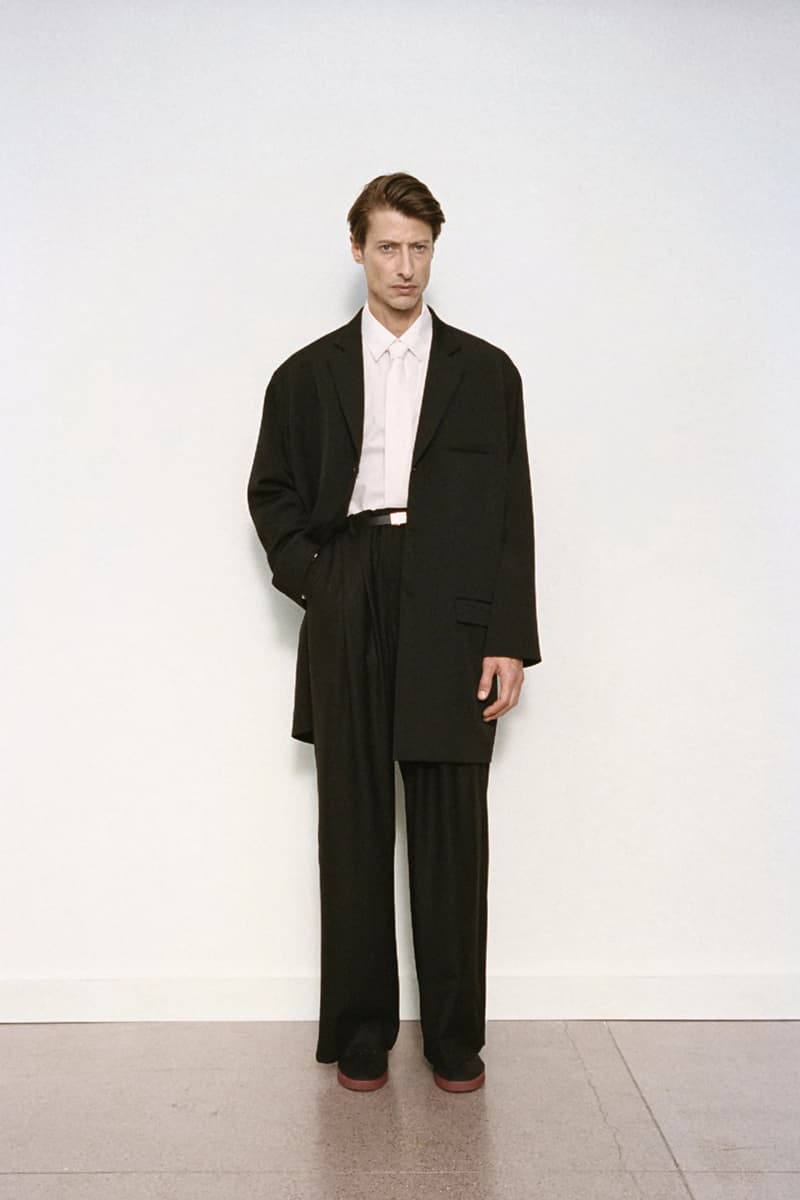
A narrow distribution model also implies fewer bags are in circulation at any given time. If you’re wondering where to buy the row margaux bag, the honest answer is that options are tighter than with most luxury brands: the brand’s own site, a handful of luxury retailers, and authorized boutique locations. That constrained channel keeps supply tight relative to demand, which is one of the most basic and reliable drivers of price stability in virtually any resale market.
Comparing The Row’s Top Bags
Value retention varies across row handbags. Some styles have built stronger reputations than others based on demand, versatility, and how iconic the silhouette has become. Below is a comparison of some of the most sought-after styles among resale buyers and stylists tracking the best row bags in 2026.
| Bag Type | Form Factor | Secondhand Demand | Well-Suited To |
|---|---|---|---|
| Margaux | Structured tote | Exceptionally strong | Everyday use and work |
| Classic The Row Tote Bag | Loose-structured, large tote | Notably solid | Errands and travel |
| Ascot | Bag with top handle | Fairly strong to high | Formal, evening use |
| Half Moon | Curved shoulder bag | Medium | Casual daytime wear |
Few styles rival the Margaux when it comes to topping lists of top row bags, owing to its adaptable silhouette that means it transitions smoothly between professional and casual contexts. The classic the row tote bag comes in a close second, prized for its capacity and minimal branding, so it matches easily with almost any personal style. Firmer-shaped pieces like the Margaux generally retain worth a bit more than fully unstructured styles for the simple reason that they display signs of age at a slower pace.
Comparing The Row to Its Investment-Worthy Peers
High-value handbag categories tend to be produced by a limited handful of labels: Hermès, Chanel, and a handful of others where supply never quite catches up with demand. The Row has entered that conversation more recently, but its resale performance has already begun to be measured against these well-known houses. In contrast to Hermès, The Row doesn’t operate a waitlist system, but its capped output generate the same kind of scarcity without requiring years of patience.
Consistency is what separates the row bags from other «quiet luxury» competitors. Whereas other pared-down brands swap silhouettes season after season, The Row maintains its key styles for years at a time, now and then rolling out new colors or hide finishes instead of overhauling the silhouette altogether. This continuity fosters confidence among shoppers, both first-hand and secondhand, because they are confident the bag they’re purchasing isn’t going to be discontinued or rendered outdated by whatever comes next season.
As a result used bags remain compatible with current collections in terms of style, which keeps resale demand stable rather than tied to whatever is newly released.
Practical Buying Advice for 2026
For buyers focused on future resale worth, condition and documentation matter enormously. Having proof of purchase alongside the dust bag and authenticity card meaningfully raises the value of a secondhand row bag. Leather color also matters: muted colors including black, tan, and taupe usually perform better on resale than one-off seasonal colorways, since they match a broader range of wardrobes.
Purchasing during a row sale can be a savvy way in, but don’t anticipate major price cuts — a 15-20 percent reduction is more typical than the deep discounts seen elsewhere. Should you be specifically searching for a fairly priced the row margaux bag, it’s wisest to explore both official brand outlets and reputable authenticated resale platforms, since supply varies and counterfeit items are a real risk given the brand’s increasing popularity.
At its core, the value of the row bags comes down to how every piece of the equation — design, materials, distribution, and brand discipline — points in the same direction. That alignment is rare in fashion, and that’s exactly why these bags have become some of the steadiest, low-key investment pieces in the present-day handbag industry.